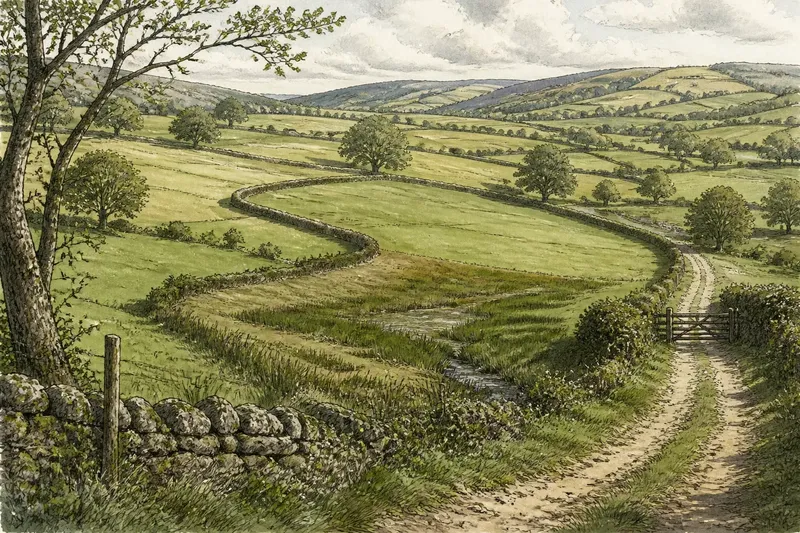
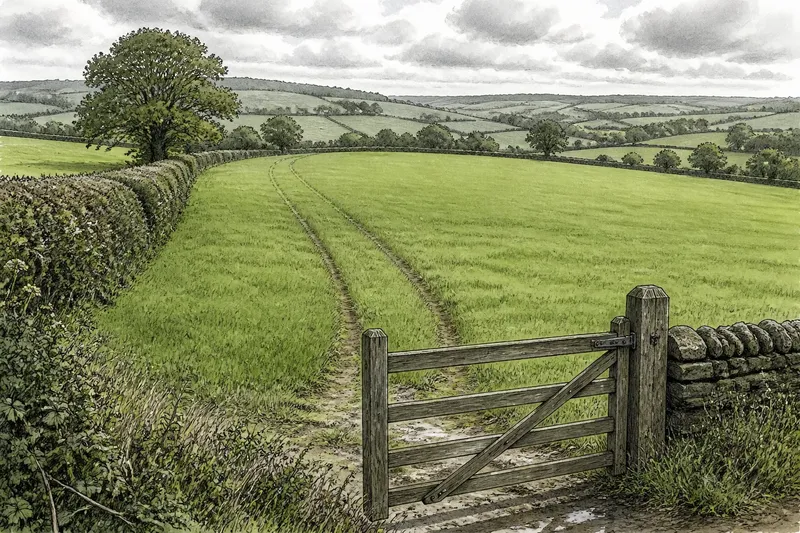
Morning Light or Late Light for a Hillside View?
Morning light or late light for a hillside view? Learn how sun direction and shadow reveal different landforms so you can choose when to return.
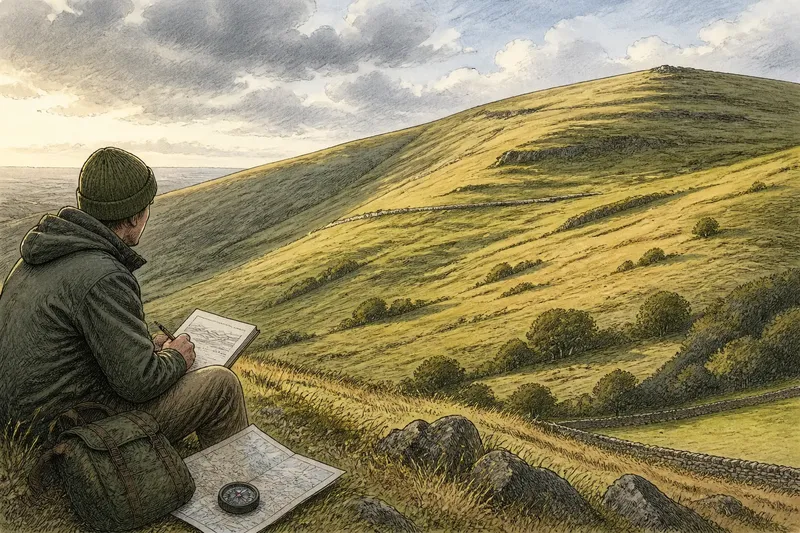
The most common mistake when comparing morning light or late light for a hillside view is treating the hour as the main difference. Sun direction matters more: a slope facing the light can look smooth, while side light may reveal ridges, hollows, and tracks. Visit at an unhelpful angle and familiar ground can seem flatter than it is.
Light does not change the hillside; it changes which parts catch illumination and which fall into shadow. A useful comparison considers the direction of the light alongside the time.
Changing slope detail
Light coming from near your viewing direction tends to reduce visible relief. Small bumps and furrows receive similar illumination, so their shadows may be faint. Grass or stubble can appear relatively even.
Light arriving from the side creates contrasts across small changes in height. A shallow bank may cast a thin shadow, while a hollow stays dark as its rim catches the sun. This low-angle effect is called raking light. It can make texture easier to read, though it may also exaggerate minor irregularities.
With the sun beyond the hillside from your viewpoint, the near-facing side may fall into shadow and a ridge may stand out against the sky. This backlighting can clarify the skyline while concealing details on the slope. Each direction makes different features easier to see.
Choosing morning light
Morning light can be useful when it crosses the slope from the side, rather than shining directly toward you or away from you. Cross-light may pick out terraces, shallow drainage lines, and uneven ground. The same morning sun may reveal little if it illuminates the slope head-on.
Cloud, season, haze, and the slope’s orientation all affect the view. A low sun can cast long shadows, while cloud may soften their edges; neither effect is tied to morning alone.
Choose a morning visit when the expected direction suits the feature you want to see and the route and conditions are appropriate. Early does not automatically mean textured.
Reading late light
Late light can reveal contours when it crosses the slope at an angle. Shadows may lengthen and separate bumps and folds that blended together under more direct light. That contrast can help distinguish a broad change in slope from a small surface mark.
Long shadows can also merge. A dark band may hide the bottom of a hollow, and a ridge may shade ground that was visible earlier. If the sun shines toward your eyes, glare may make details harder to see. Late light is useful for selected features, not a universal improvement.
For a hillside with several layers, late light may emphasize the nearest slope and leave distant ground less distinct. If you want to compare contours across the whole view, more even illumination may suit the task better.
Planning a revisit
Start with the feature you want to inspect, then consider which direction of light could make it visible. A ridge crossing the slope may show well under light from one side; a broad slope may need shadows to reveal its shape. The sun’s path changes with season and location, so the same clock time does not tell you the angle by itself.
Use a map or compass to note the hillside’s aspect, meaning the direction the slope faces, and mark your viewing position. A weather forecast can help you anticipate cloud or haze, but check the light on the land when you arrive. Diffuse light can show overall form, though distinct shadows may be less apparent.
- Observation: the feature you want to inspect is a ridge or shallow bank. If its shape crosses the slope, then try a visit when light is expected from the side; otherwise, choose a viewpoint or time that makes the feature’s outline easier to distinguish.
- Observation: your viewpoint is above, below, or across from the slope. If it has shifted since the last visit, then return to a comparable spot; otherwise, record the current position so you can compare later.
- Observation: the sun is in front of, beside, or behind the hillside. If it is beside the slope, then check for cross-shadows; otherwise, decide whether backlighting or more direct light better suits the feature.
- Observation: cloud or haze may soften the light. If the forecast suggests changing conditions, then allow time to observe the slope as they shift; otherwise, note the sky as it is when you make the comparison.
- Observation: the route is inaccessible, exposed, or unsuitable for the conditions. If any of these apply, then choose a safer viewpoint or postpone the visit; otherwise, leave enough time to observe without rushing.
- Observation: a photograph’s framing differs from the earlier view. If the viewpoint or framing has changed, then use the image cautiously and compare notes on site; otherwise, use it as a supporting record of the same feature.
Say you want to know whether a pale line across a grassy hillside is a shallow bank or a change in vegetation. In this invented situation, your starting point is a fixed viewpoint, a map showing the slope’s orientation, and a cloudy morning when the line is visible but has no clear shadow. You note the sun’s direction and return when light crosses the slope from the side. You then compare the same line: if a shadow follows its edge, that supports reading it as raised ground; if no shadow appears, the line remains uncertain and could be too slight, obscured, or unrelated to relief. The result is a more informed observation, not a definitive identification.
Matching light to features
Side light can help reveal surface relief such as ridges, furrows, small banks, and uneven pasture. Backlighting may clarify the hillside’s outline while concealing detail on its near face. More direct light can make broad patterns easier to compare when shadows would otherwise divide the slope into dark patches.
Cloud changes contrast as well as brightness. Thin cloud may soften hard edges without hiding the landform; thick cloud can reduce directional shadows. Wet ground, pale soil, and tall vegetation also affect how clearly shadows stand out. Apparent texture reflects both terrain and light, so it should not be treated as a precise map of the ground.
Comparing return visits
Keep your viewpoint as consistent as practical. A small shift sideways can change how a ridge lines up with a distant feature, making it harder to tell whether the difference comes from light or position. Note the viewing spot, sun direction, cloud conditions, and the feature you are watching.
On each visit, ask where the slope first catches light, which hollows remain shaded, and whether shadows align with visible ridges or cross them. These observations help separate a change in illumination from a change in viewpoint.
Questions about hillside light?
Does the clock time tell me the sun angle?
No. The sun’s position varies with season and location, so the same clock time can produce a different angle. Use the slope’s orientation and the direction of the light you observe.
What if clouds cover the sun?
Overcast light can show broad shapes with fewer distinct shadows, which may make fine relief harder to distinguish. If the clouds break, watch how the changing light alters the slope’s contrast.
Is a photograph enough for comparison?
A photograph can help if you keep the viewpoint and framing similar and record the conditions. Automatic exposure and a phone screen can alter perceived brightness, so treat the image as a record to support observation rather than replace it.
Should I revisit at both times?
Comparing morning and late light may help if the feature remains unclear and both visits are practical. One visit may be enough when the light already crosses the slope and the relevant shadows are visible.
For a morning light or late light hillside view, choose the visit that places illumination across the landform you want to read, rather than the time with the most dramatic sky. A brief note about viewpoint and sun direction can make your next comparison clearer, even when the weather differs.